Brand Consistency Is a System, Not a Matching Logo
Brand consistency is created through connected verbal, visual and operational decisions—not simply by placing the same logo everywhere.
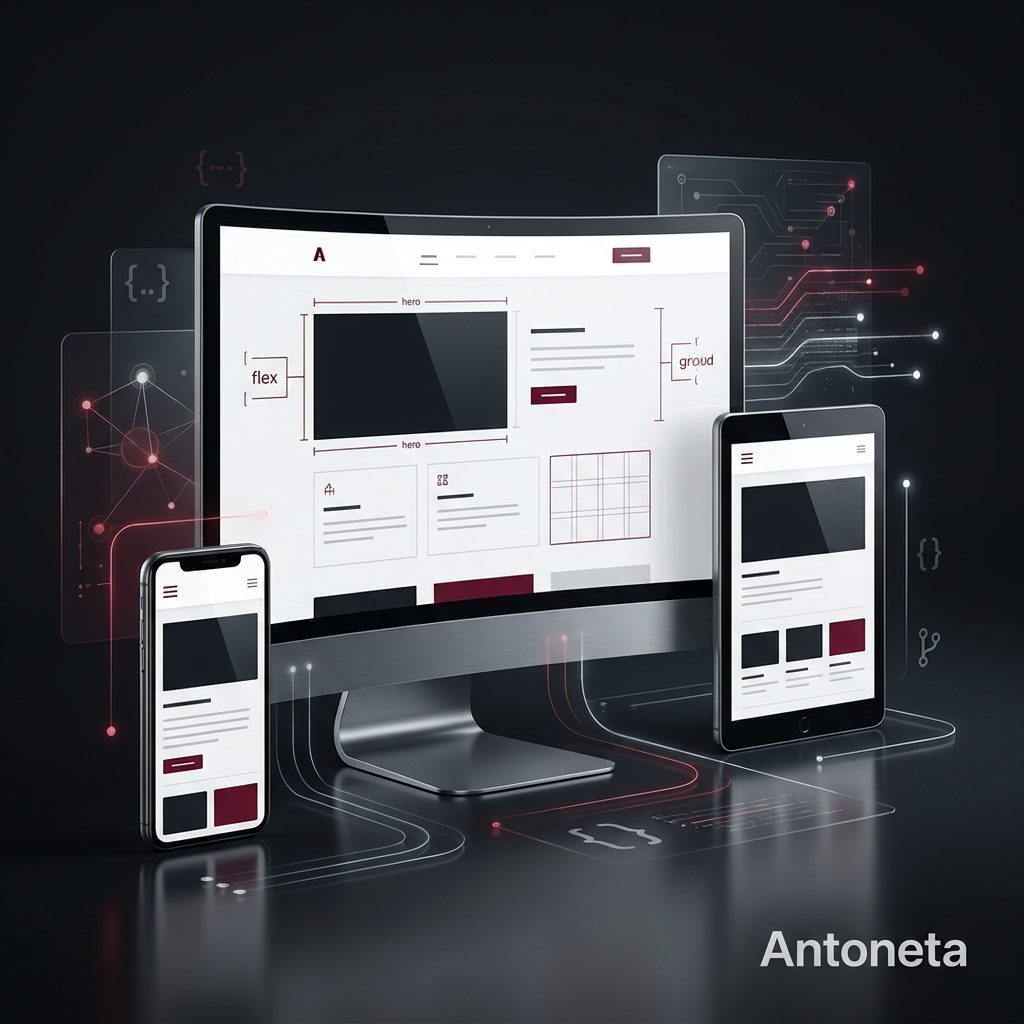
A logo can identify a company, but it cannot create consistency by itself. Customers experience a brand through dozens of details: the words on a landing page, the speed of a reply, the structure of a proposal, the photographs on social media and the confidence of the checkout process. Consistency emerges when those decisions follow a shared system.
Consistency begins with meaning
Visual guidelines are useful only when the brand has a clear position. Define whom the business serves, the problem it is best equipped to solve, the promise it can defend and the personality it wants to express. These choices become filters for design and communication.
Without that foundation, teams often confuse consistency with repetition. They reuse the same template while the message changes from confident to vague or from premium to promotional.
Create a usable verbal identity
A verbal identity translates strategy into language. It should include a short value proposition, key messages, preferred terminology, tone principles and examples of what the brand would never say. Practical examples are more helpful than abstract adjectives.
- Write one message for a first-time visitor.
- Write one for a customer comparing alternatives.
- Write one that explains the process and reduces risk.
Build flexible visual rules
A mature identity defines typography, colour, spacing, imagery, motion and layout behaviour. It also explains hierarchy: what should attract attention first, what supports it and what remains quiet. A flexible system produces variety while retaining a recognisable rhythm.
Strong consistency does not make every touchpoint identical. It makes every touchpoint feel related.
Protect the system through templates
Turn guidelines into working assets: proposal layouts, social formats, article covers, presentation slides, email signatures and landing-page components. Templates reduce small daily decisions and make quality easier to maintain as the business grows.
Audit the experience, not only the artwork
Review the complete customer path at least twice a year. Compare advertising, website pages, automated emails, forms and sales documents. Look for conflicting claims, outdated visuals and moments where the tone no longer matches the intended experience.
Frequently asked questions
Can a small business need a brand system?
Yes. A compact system can save more time for a small team because it removes repeated design and writing decisions.
Does consistency prevent experimentation?
No. Clear foundations make experimentation safer because new ideas can be evaluated against an agreed position and personality.


Let’s turn a good idea into a digital experience that performs.
Strategy, design and implementation — brought together with clarity and purpose.
Start a conversation